
Why Surveyors Should Treat Listed Building Dates with Caution
I recently attended a webinar on Listed buildings that explored the importance of carefully reviewing construction dates shown on a property’s Official Listing.
The speaker explained how surveyors and inspectors recorded a huge number of buildings during a period when many historically and architecturally significant properties faced demolition. At the time, many of these buildings did not yet have Listed status or any formal/legal protection.
The Impact of the Town and Country Planning Act 1968
The Town and Country Planning Act 1968 addressed weaknesses in earlier legislation, which had failed to adequately protect important historic buildings from demolition.
The updated Act formally defined and protected “Listed Buildings”. It also made it a criminal offence to demolish a Listed building without consent and introduced the Listed Building Consent process to manage alterations and works to protected properties.
As a result, authorities rapidly expanded the number of Listed properties to safeguard more buildings of historic interest.
Why Some Listed Building Dates May Be Incorrect
During this surge in listings, inspectors often completed assessments externally and under significant time pressure. Because of this, some buildings may have been incorrectly dated.
The webinar highlighted several studies that used dendrochronology (the scientific process of analysing tree growth rings to determine exact calendar years). Researchers tested accessible oak timbers within historic buildings and discovered that some official Listing dates were inaccurate.
This research reinforces the need for surveyors to take a broader and more considered approach when assessing Listed properties. Construction methodologies, timber framing styles and internal structural features can all provide valuable clues about a building’s true age, particularly where inspectors could not access internal areas during the original Listing process.
A Practical Example in Horncastle
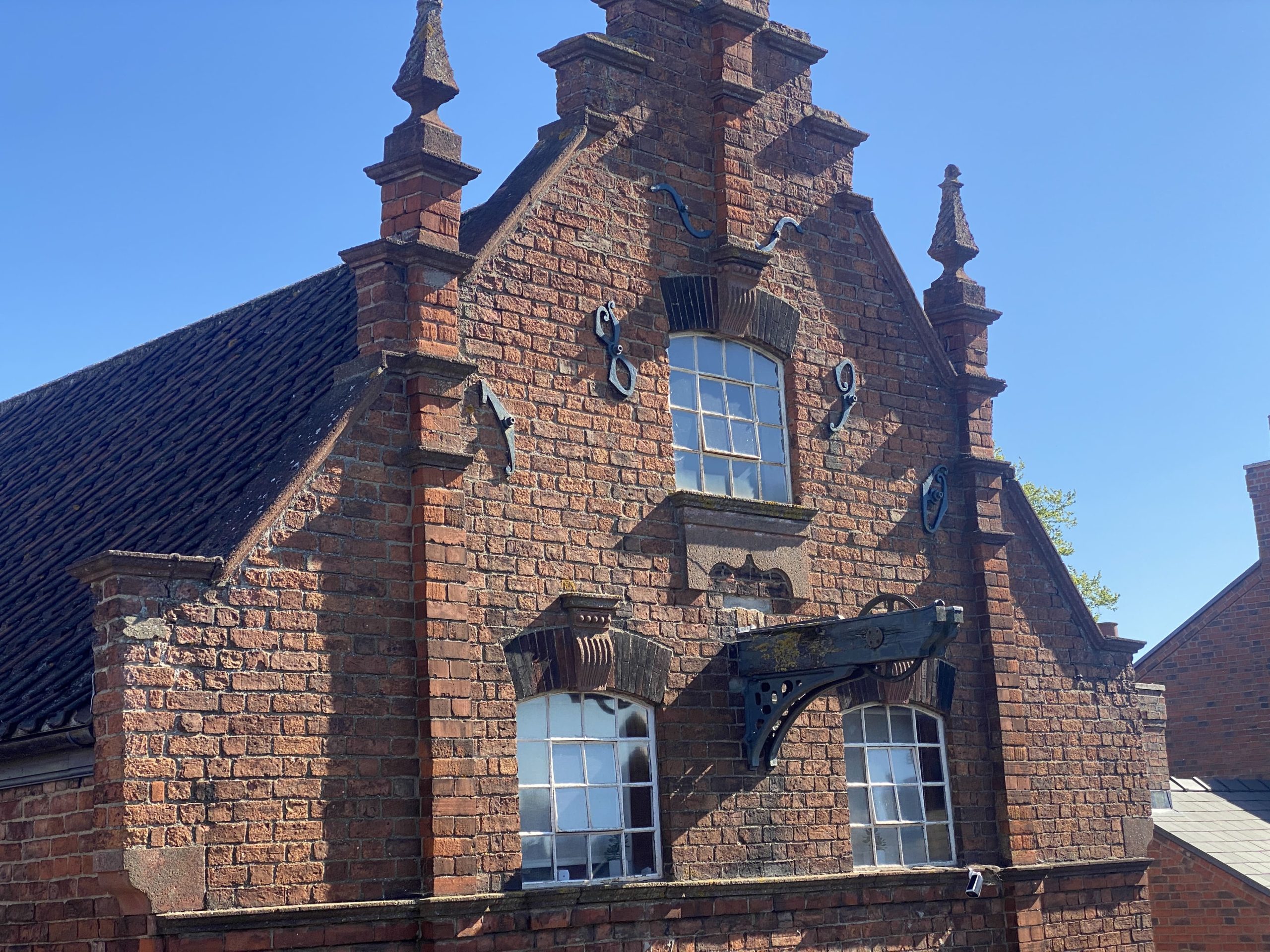
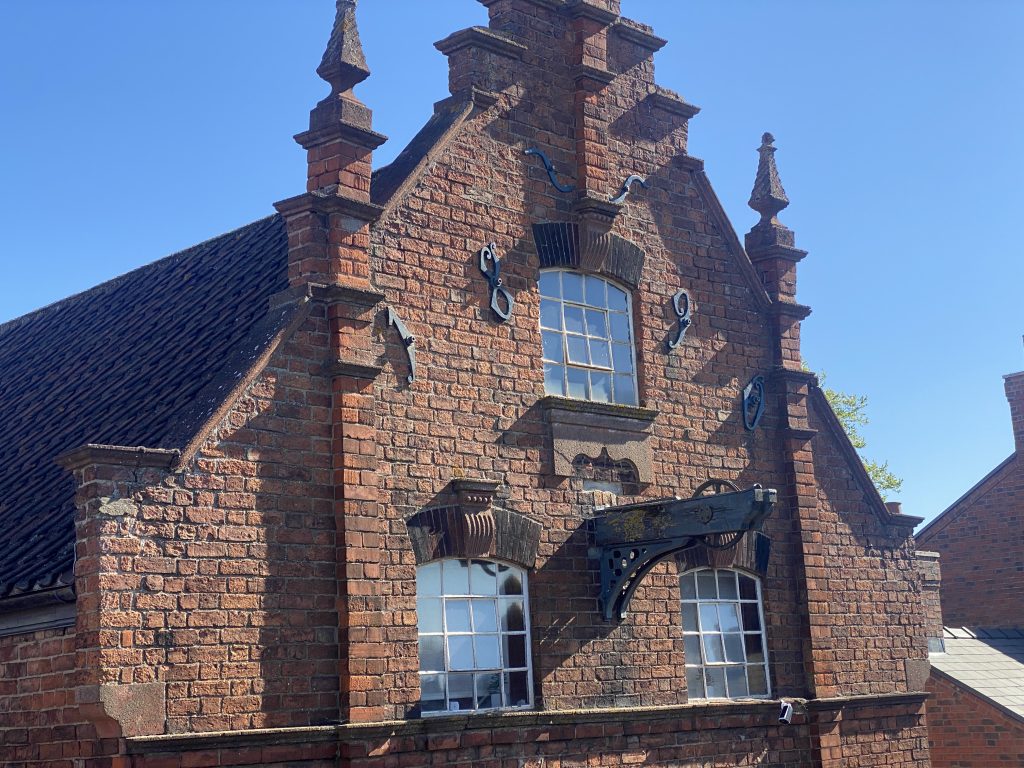
Last month, while carrying out a survey in Horncastle, I noticed a lovely Listed warehouse opposite the property I was inspecting. The building featured ornate ironwork displaying the date 1890, which understandably appeared in the official Listing as the construction date.
Although I was not surveying that particular property, the webinar immediately came to mind. Out of personal interest, I later checked historic maps, which in this case appeared to support the displayed date.
Why This Matters for Surveyors
As surveyors, we should never take construction dates at face value or jump to conclusions. A building’s age and the construction methods used at the time can significantly influence how we assess a property and shape the conclusions and recommendations included within a report.